

Workshop at the Faculty of Agriculture on the Occasion of the International Day for the Preservation of the Ozone Layer
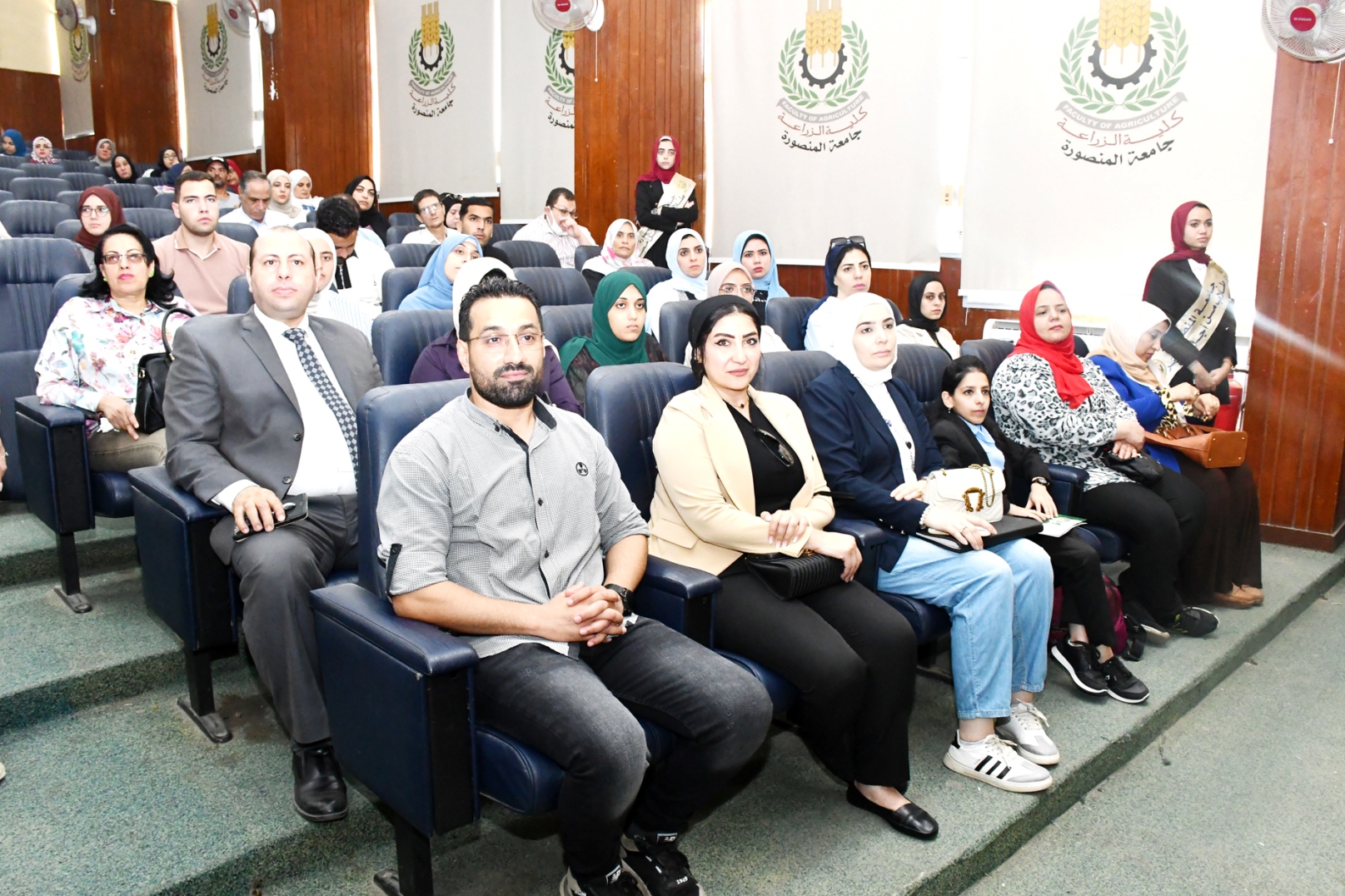
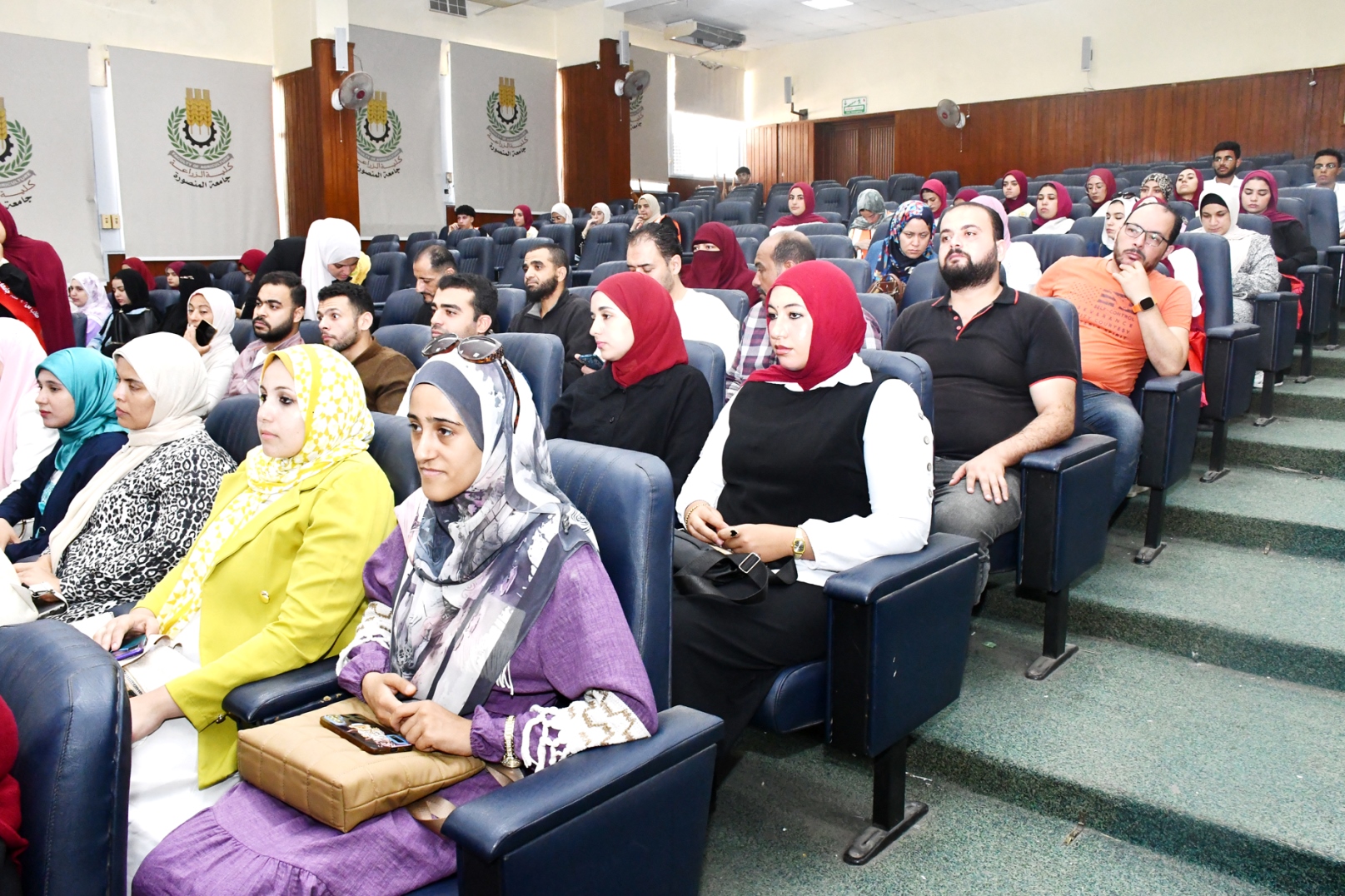
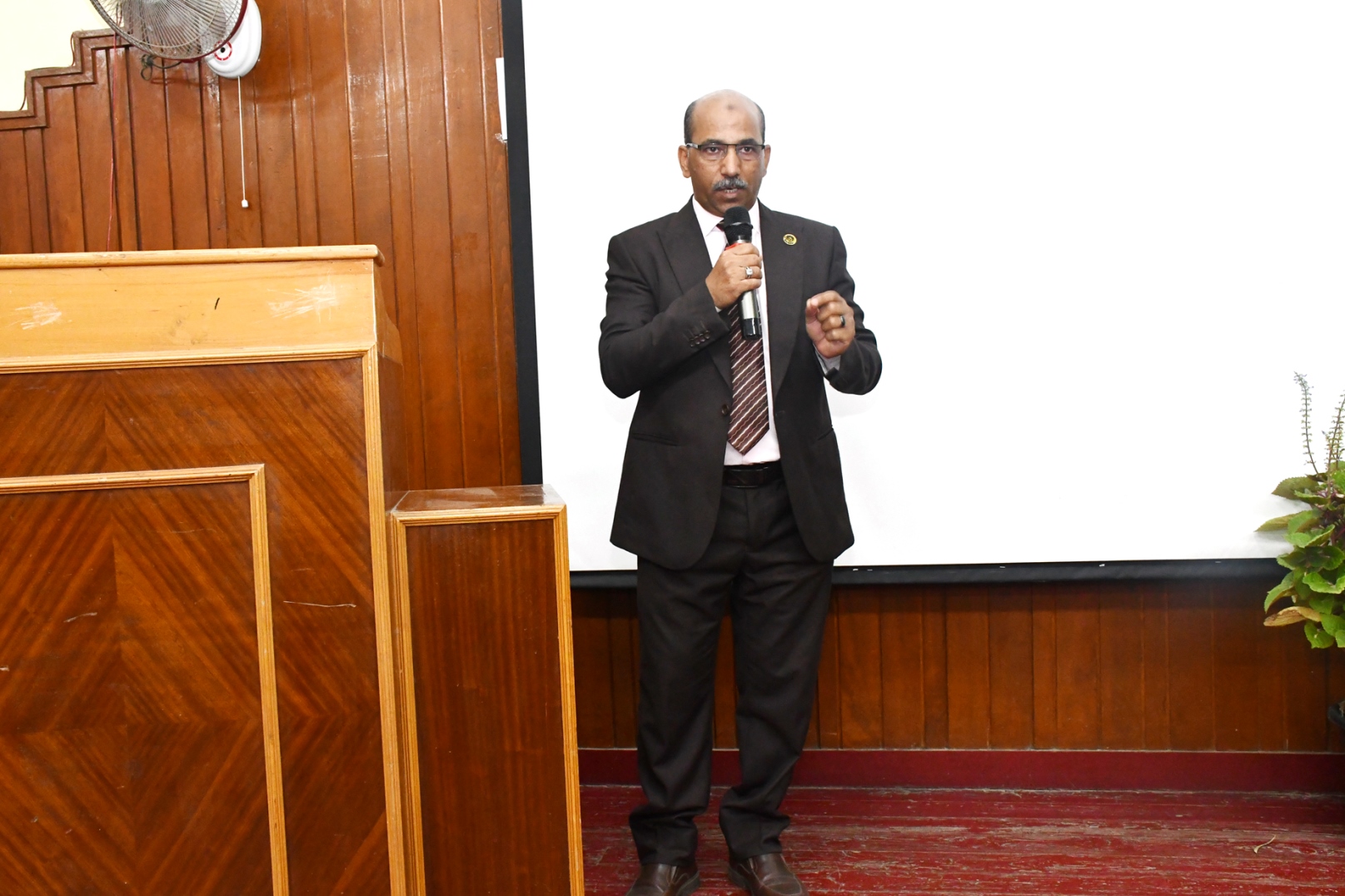
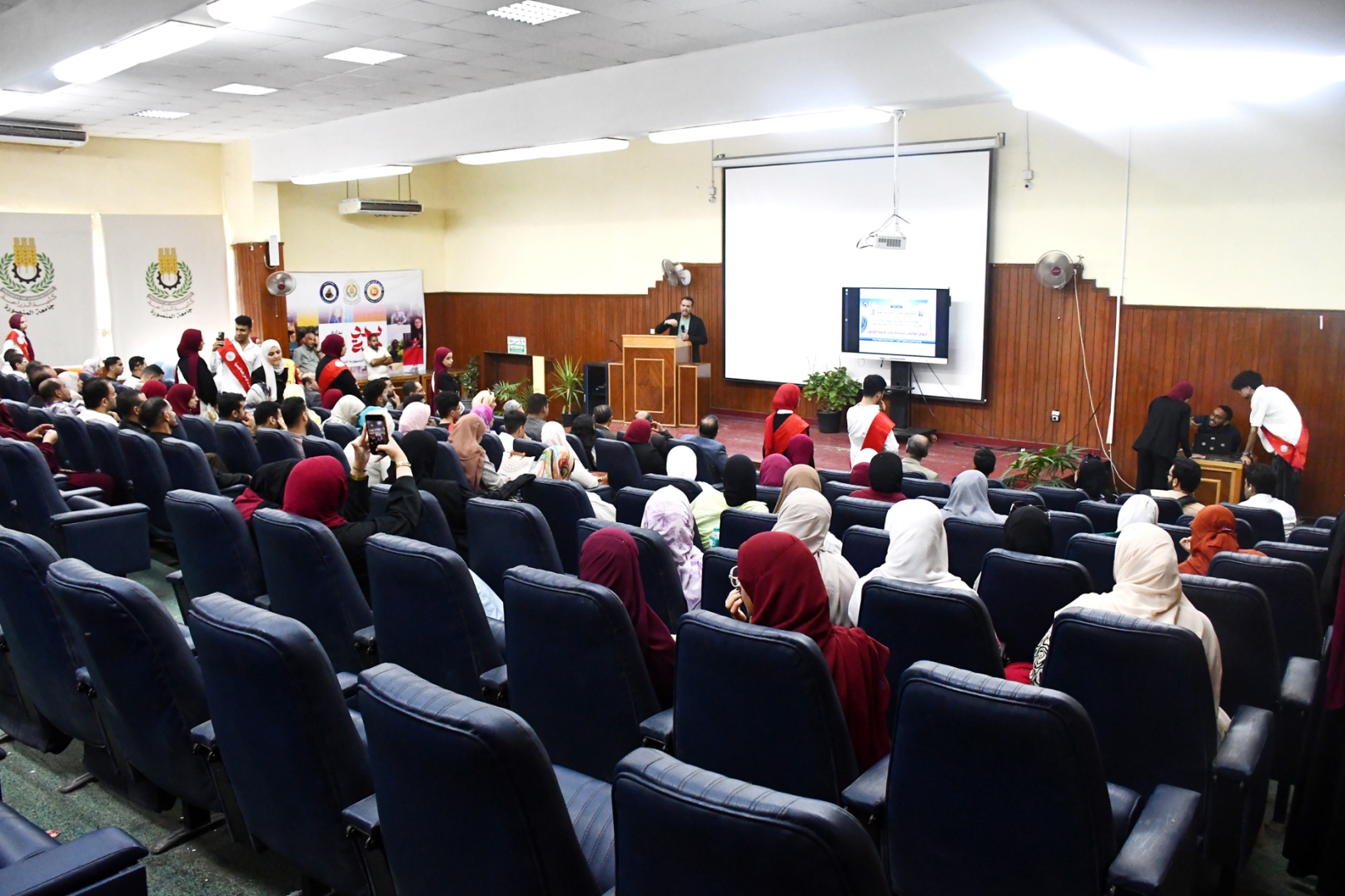
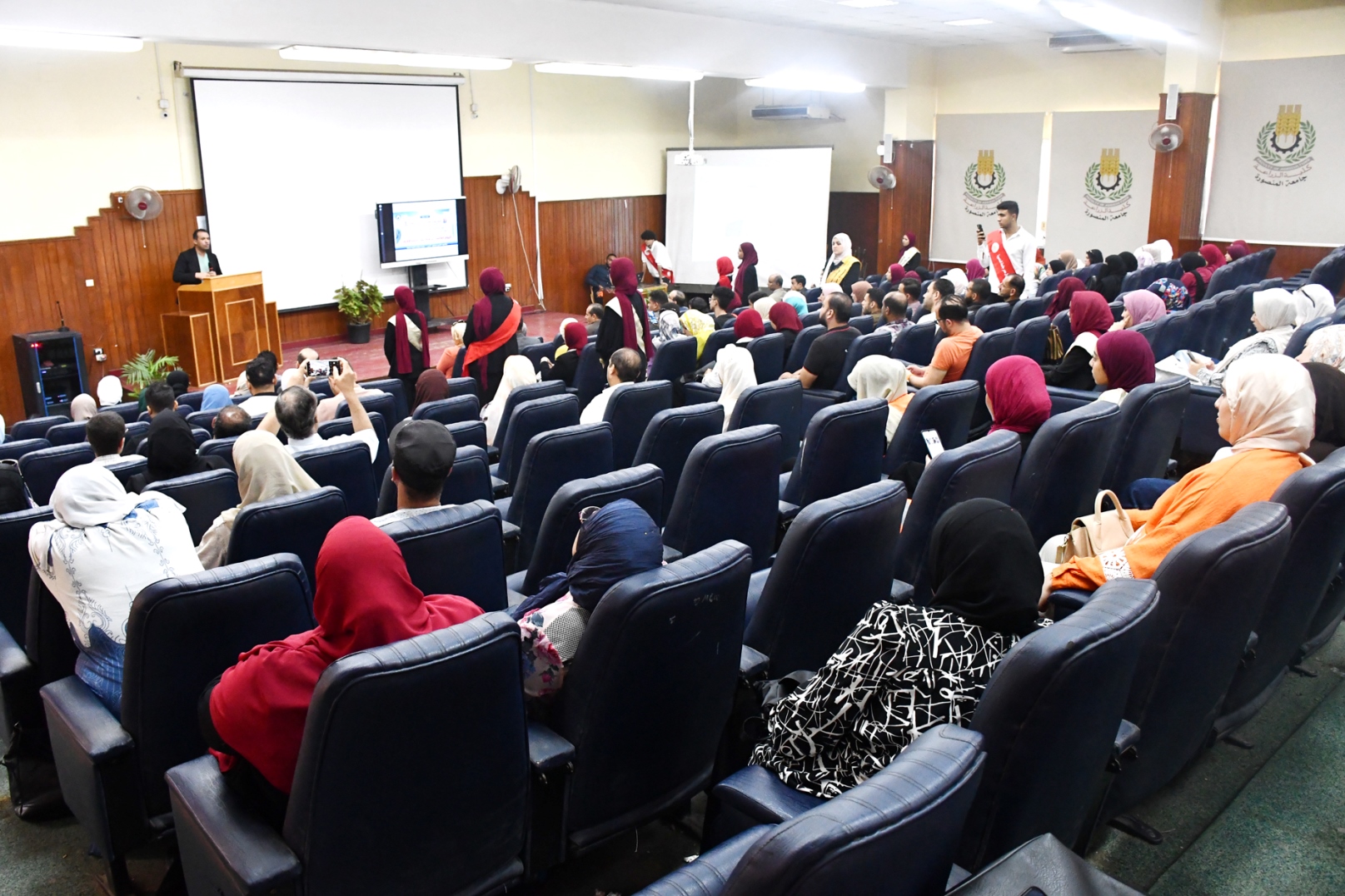
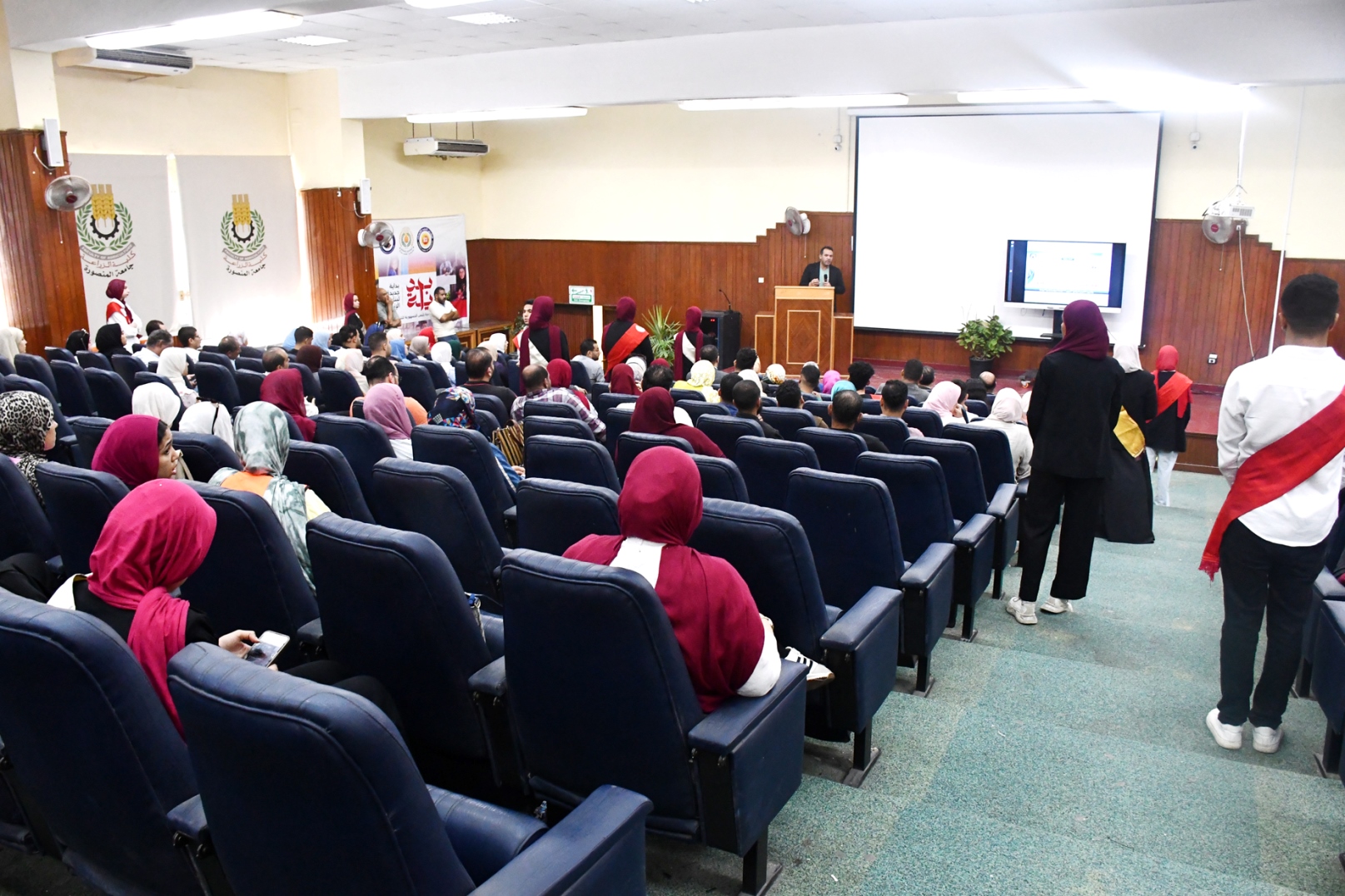
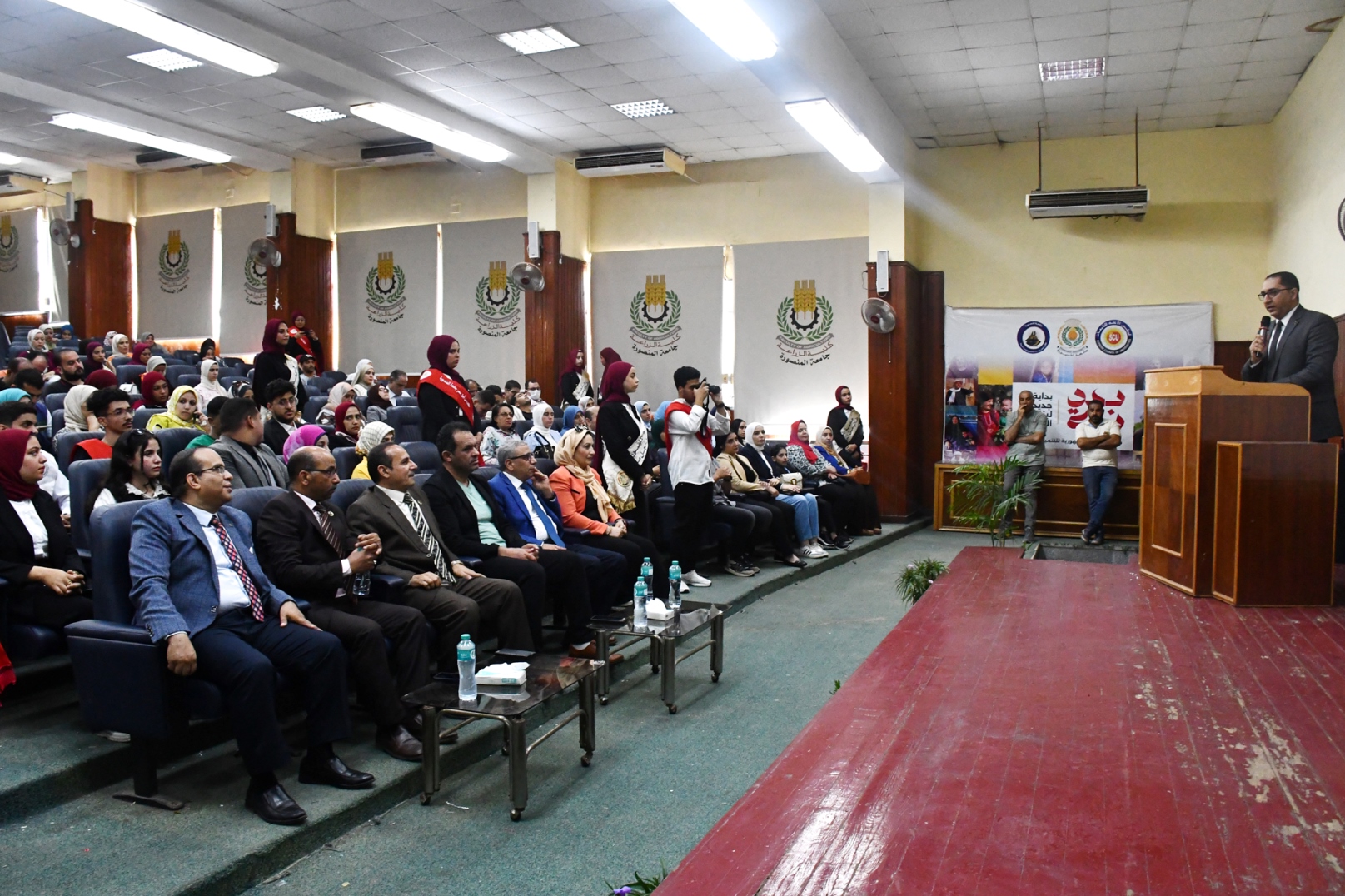
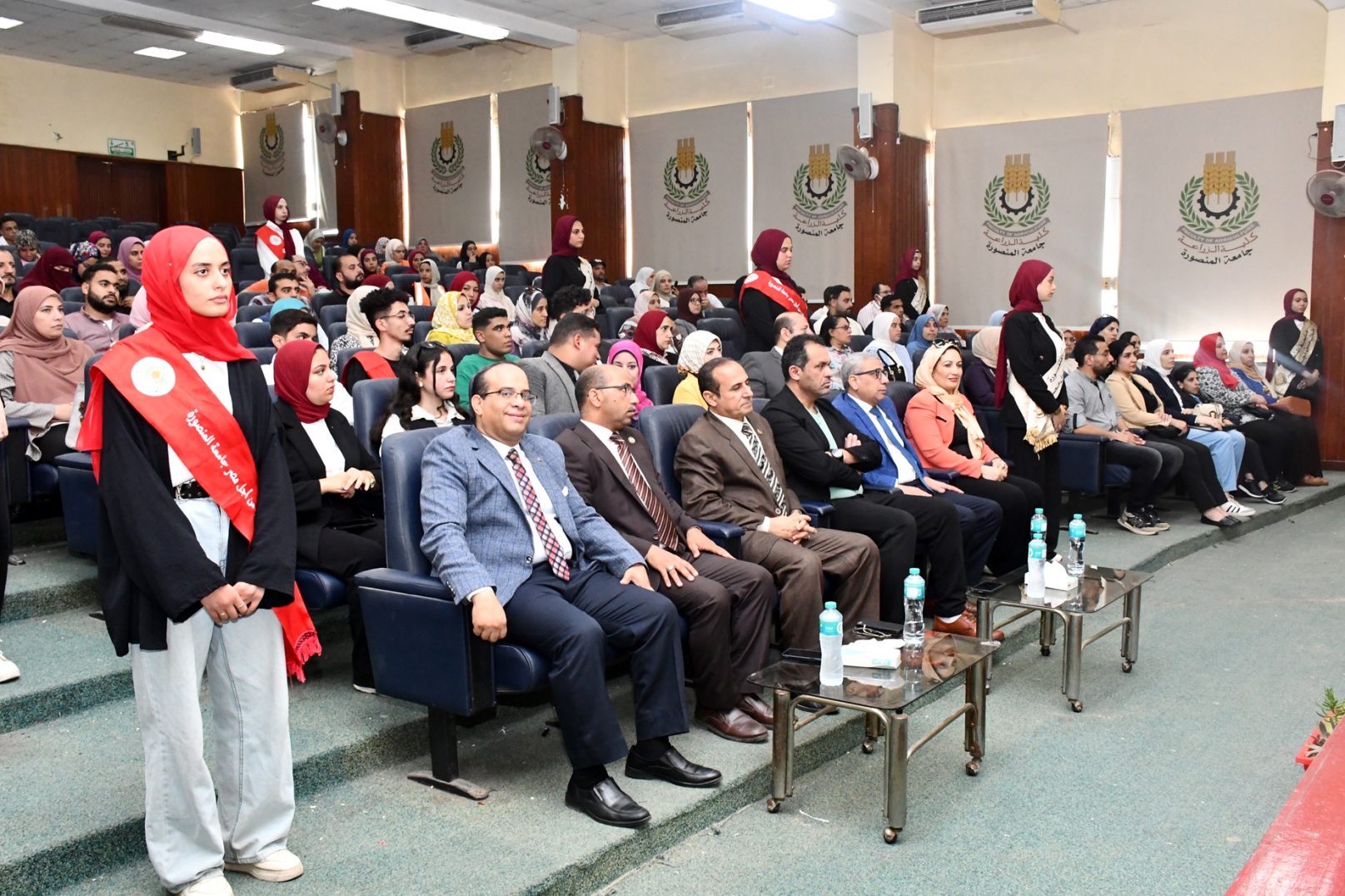
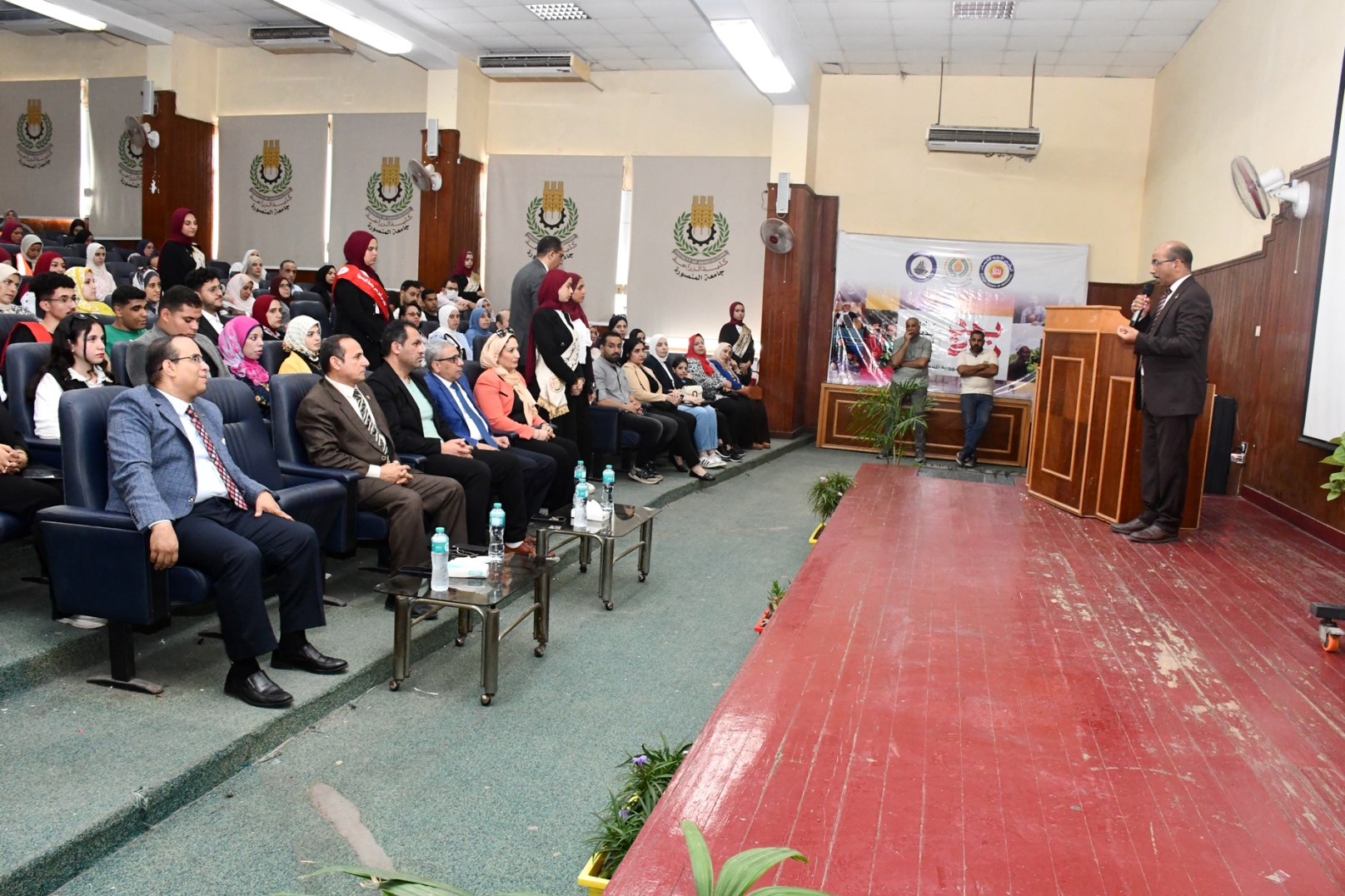
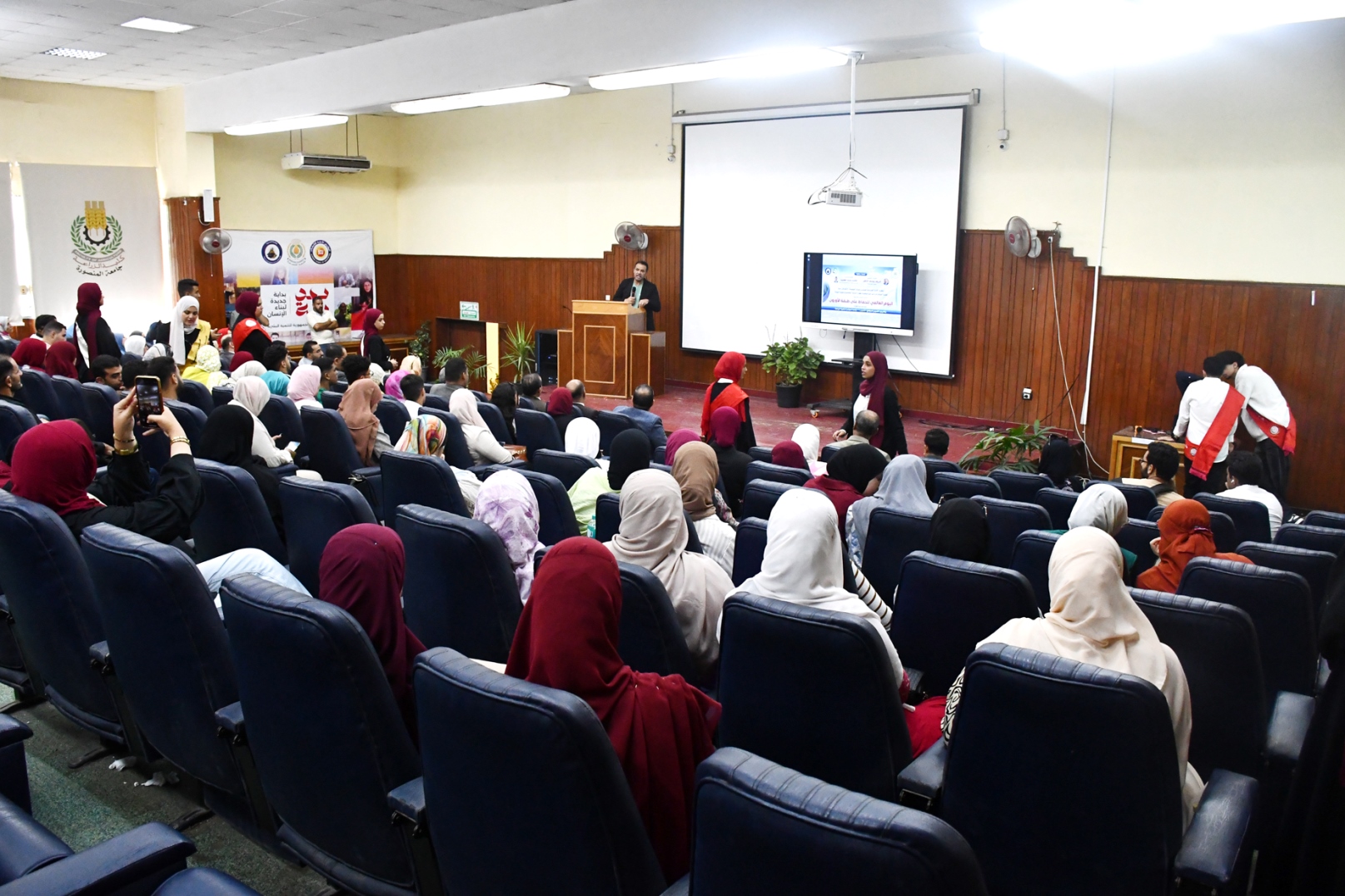
Under the patronage of Prof. Sherif Youssef Khater, President of Mansoura University, and the leadership of Prof. Mohamed Abdel Azim, Vice President for Community Service and Environmental Development, the General Administration of Environmental Projects, in cooperation with the Committee of National Initiatives and Programs of the sector, organized a workshop entitled “International Day for the Preservation of the Ozone Layer” under the slogan “Clean Environment.” The event was held on Thursday, October 2, 2025, at the Conference Hall of the Faculty of Agriculture – Mansoura University, in coordination with the “Students for Egypt” initiative.
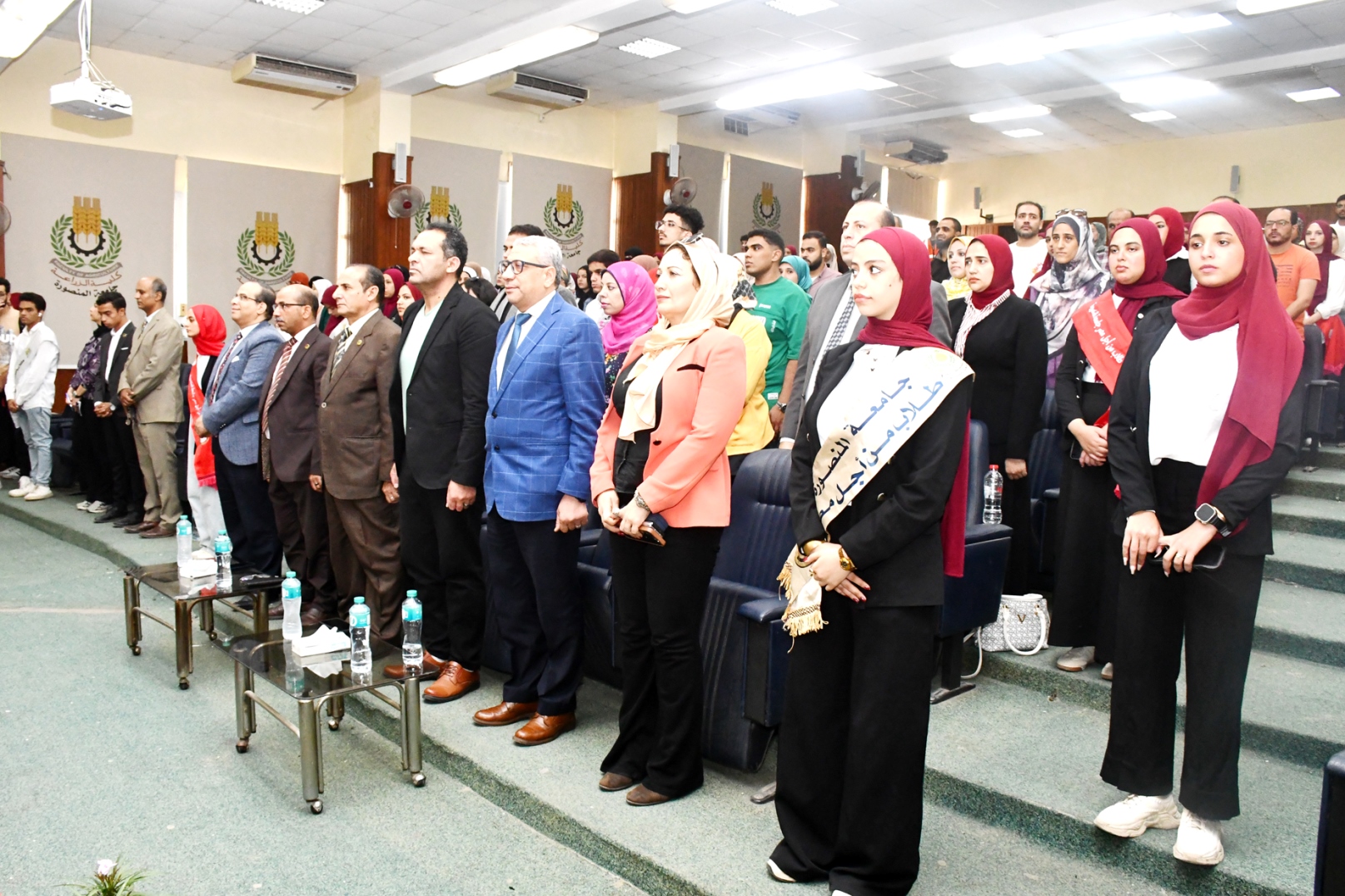
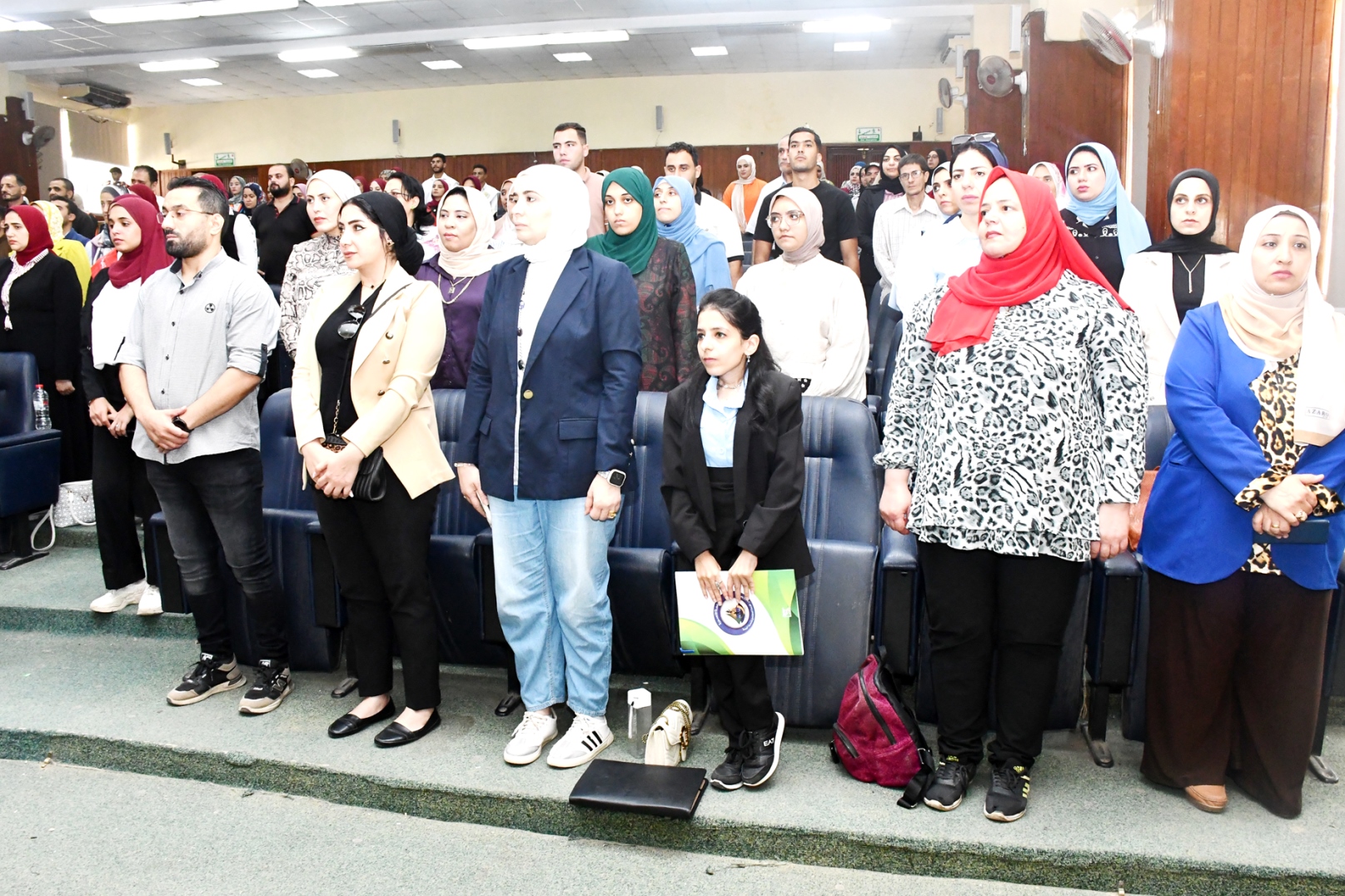
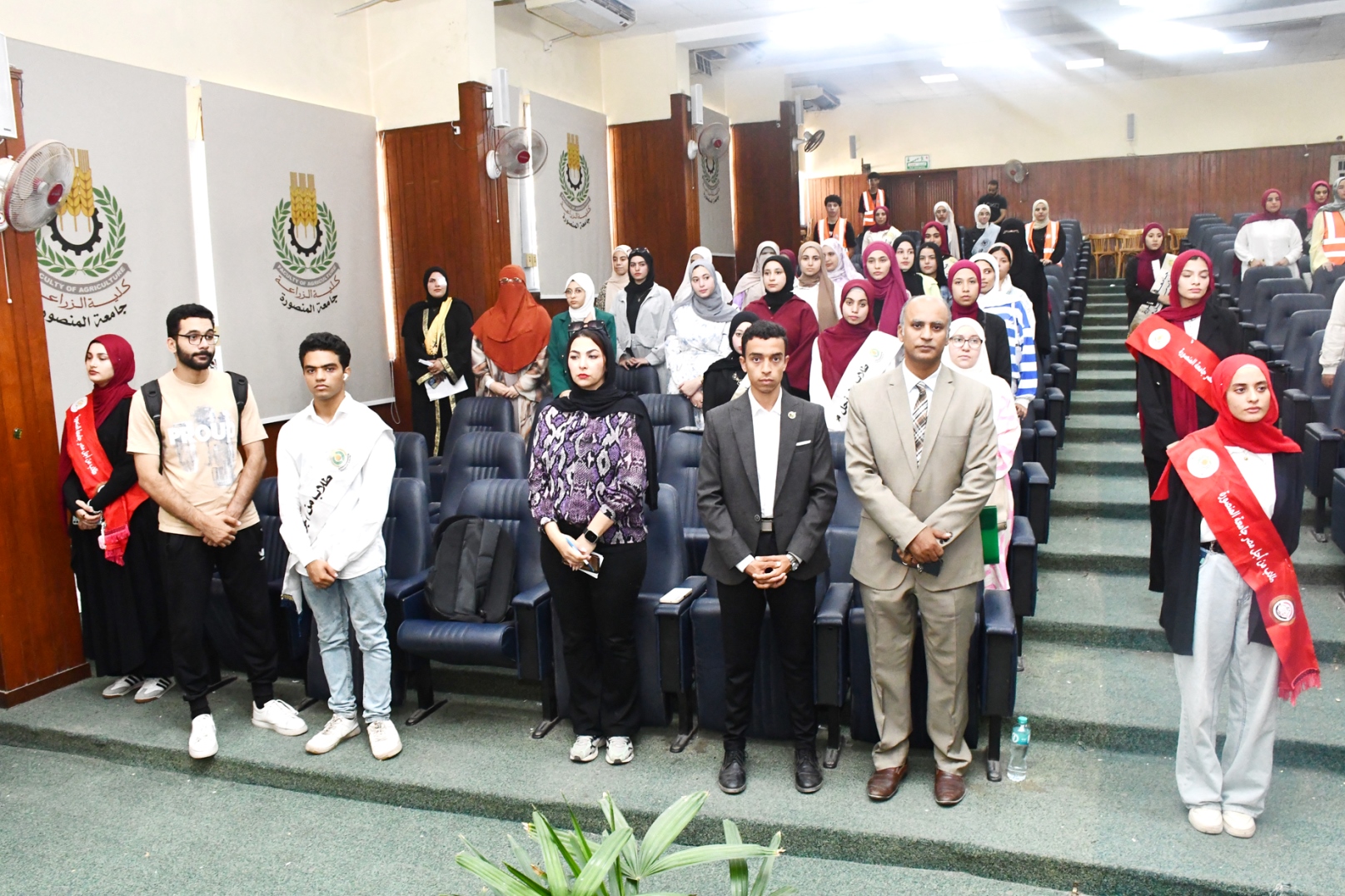
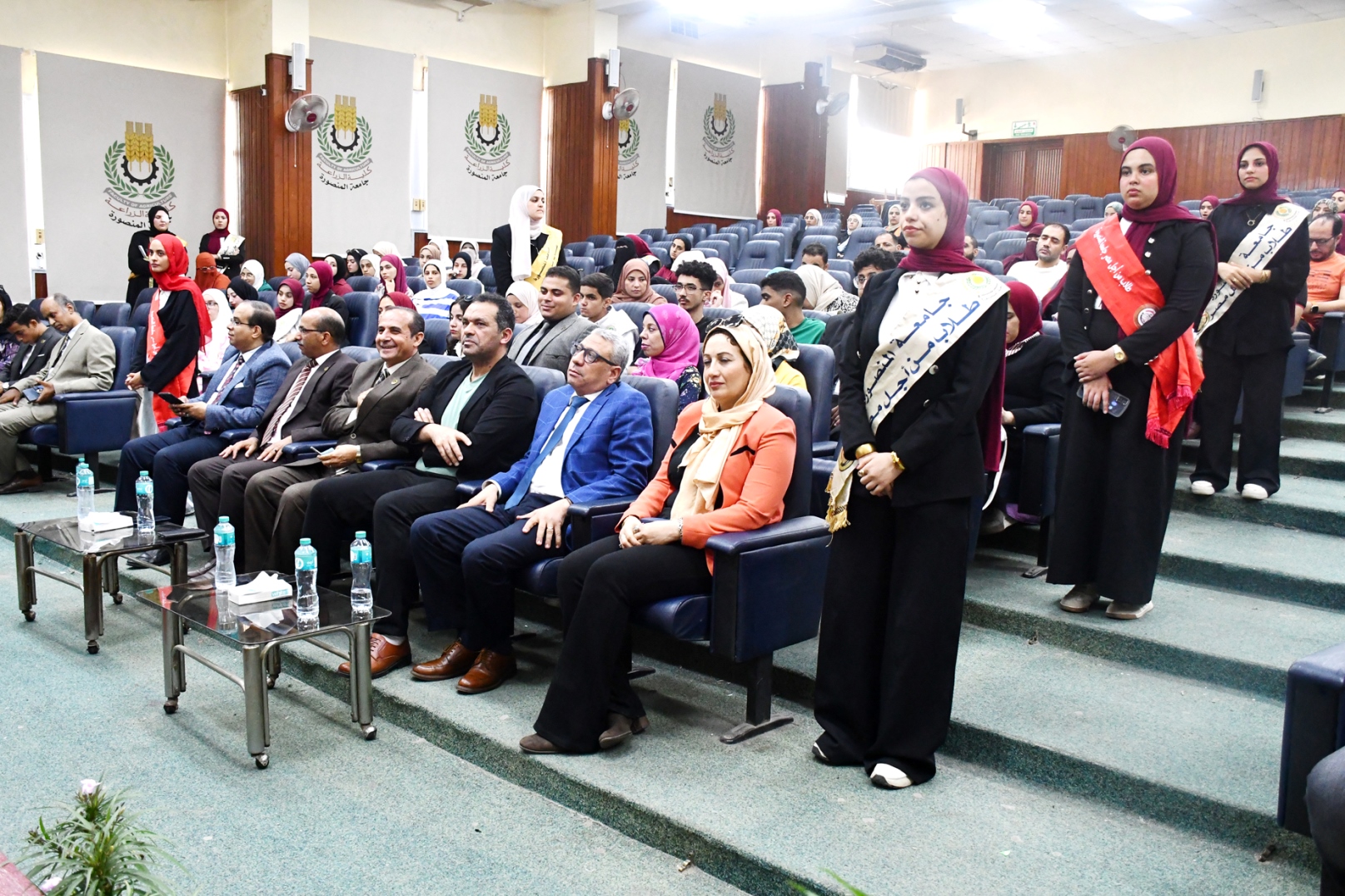
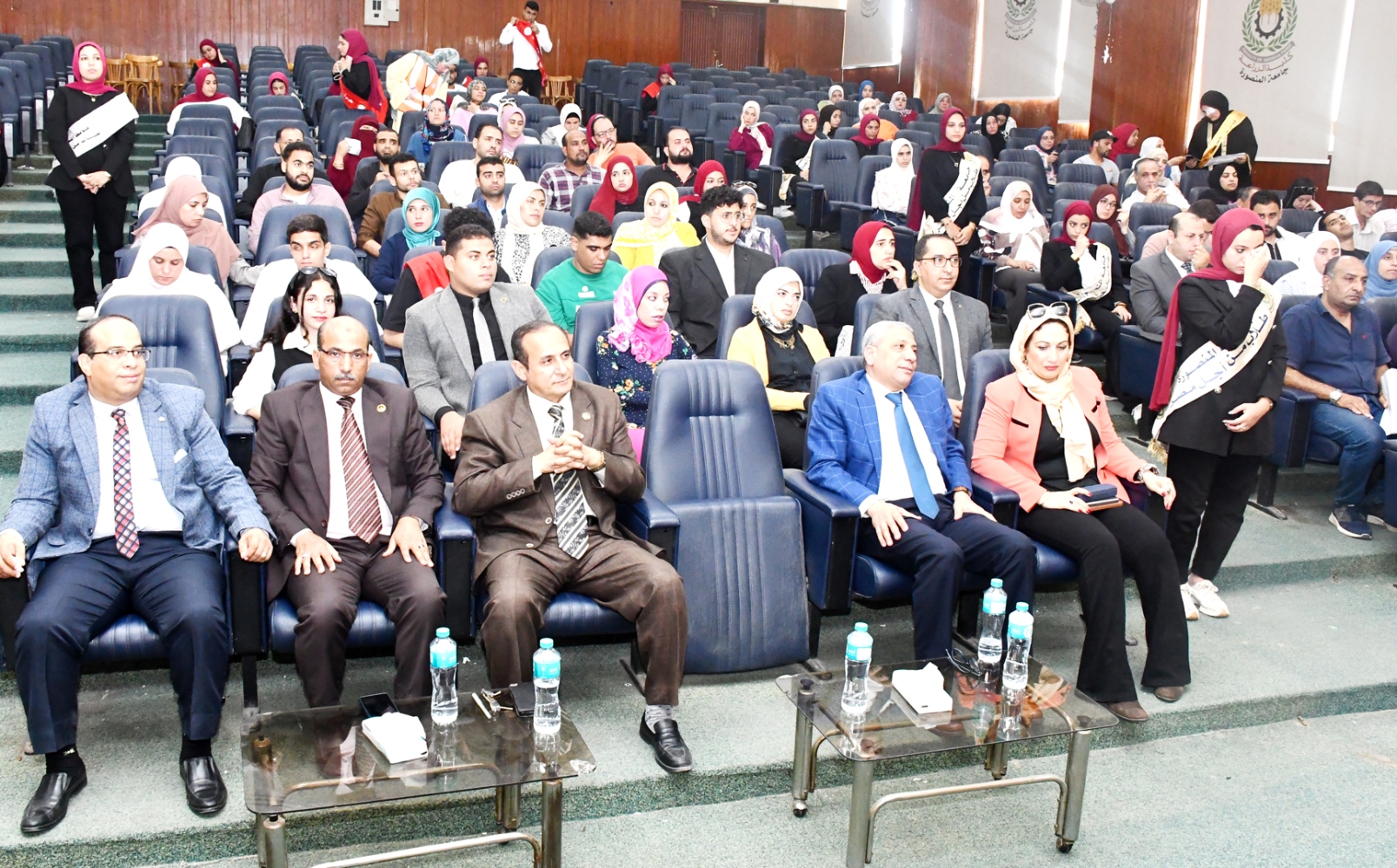
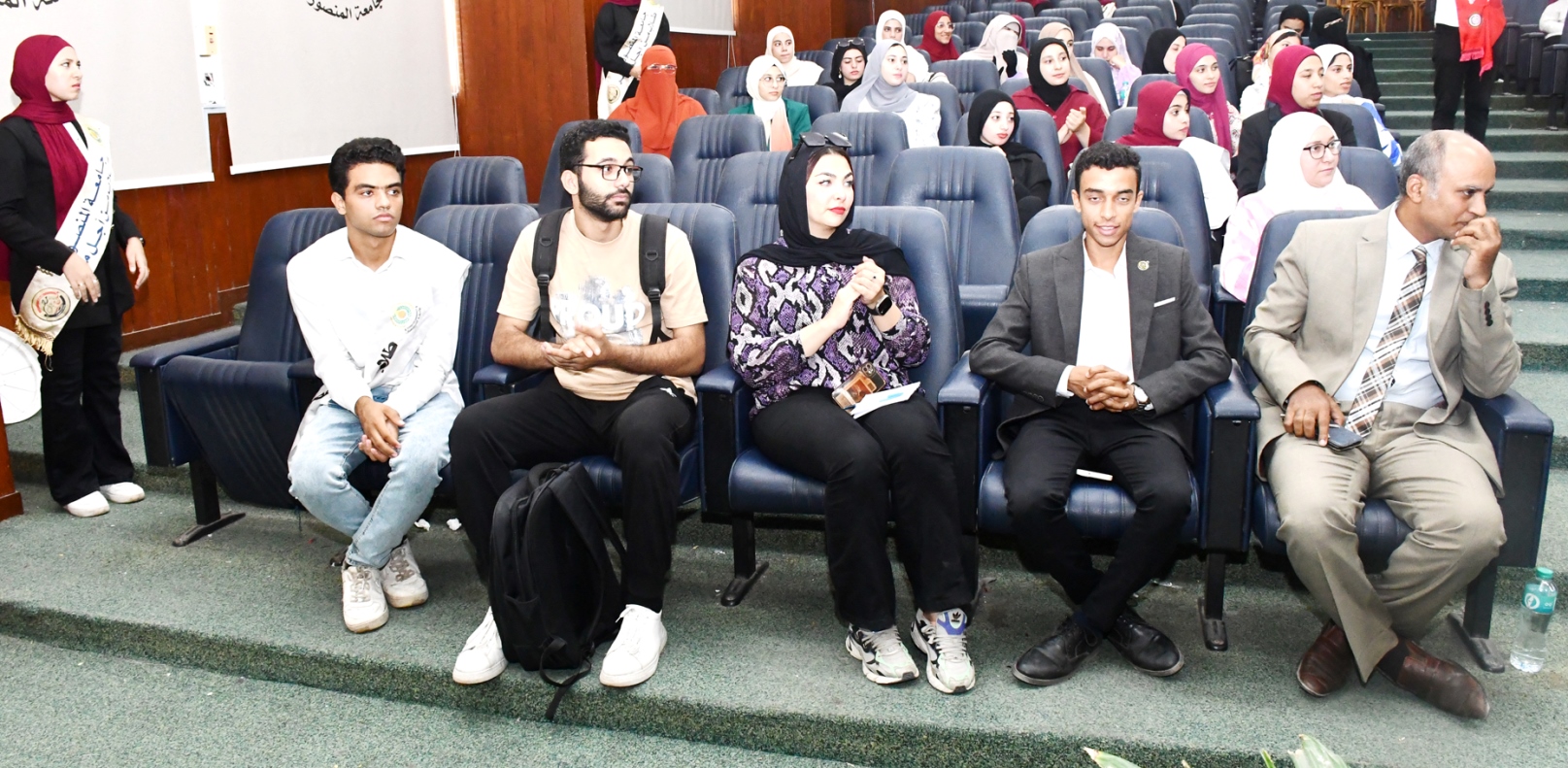
The workshop witnessed wide participation from the university’s faculties, hospitals, medical centers, and various administrative departments. It aimed to raise environmental awareness and emphasize the role of academic institutions in supporting national and international efforts to protect the environment.
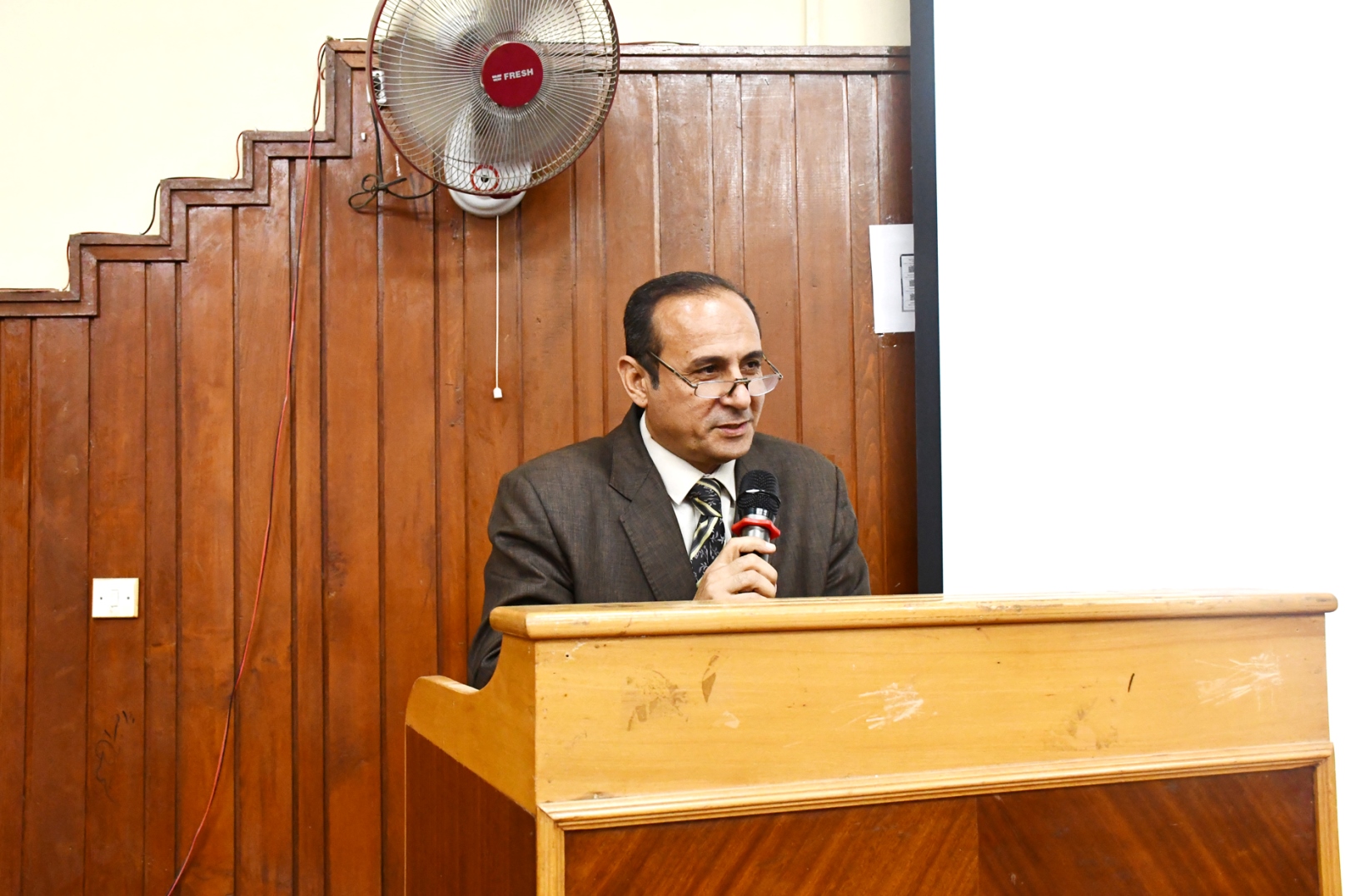
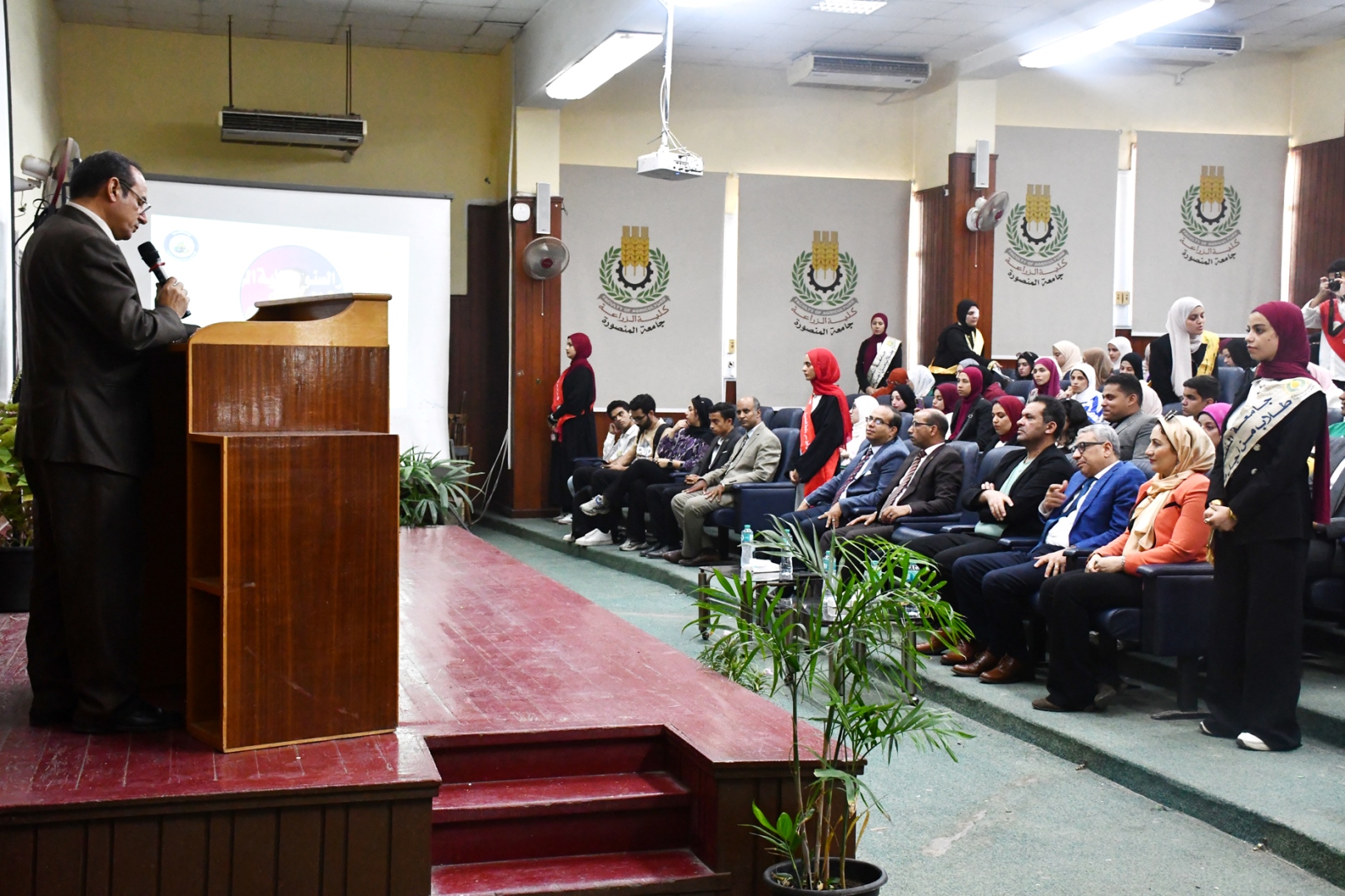
The workshop was inaugurated by Prof. Mohamed Abdel Azim, Vice President of the University, who stressed that the ozone issue is not merely a scientific matter, but also an ethical responsibility towards future generations. He emphasized that the university, through the Community Service and Environmental Development Sector, is implementing awareness programs and practical initiatives to reduce environmentally harmful practices.
Prof. Mohamed Ali Shata, Dean of the Faculty of Agriculture, welcomed the attendees, highlighting the importance of environmental awareness in preparing generations capable of facing climate challenges. Meanwhile, Prof. Metwally Abu Sarea, Vice Dean for Community Service and Environmental Development, pointed out that such meetings help spread a positive environmental culture within and beyond the university.
The opening was attended by Prof. Mohamed Abdel Fattah El-Zahry, Vice Dean of the Faculty of Tourism and Hotels for Community Service and Environmental Development, and Mr. Saad Abdel Wahab, Secretary-General of the University. The workshop program was presented and moderated by Prof. Amr Ahmed Gaber, General Coordinator of Activities at the Community Service and Environmental Development Sector.
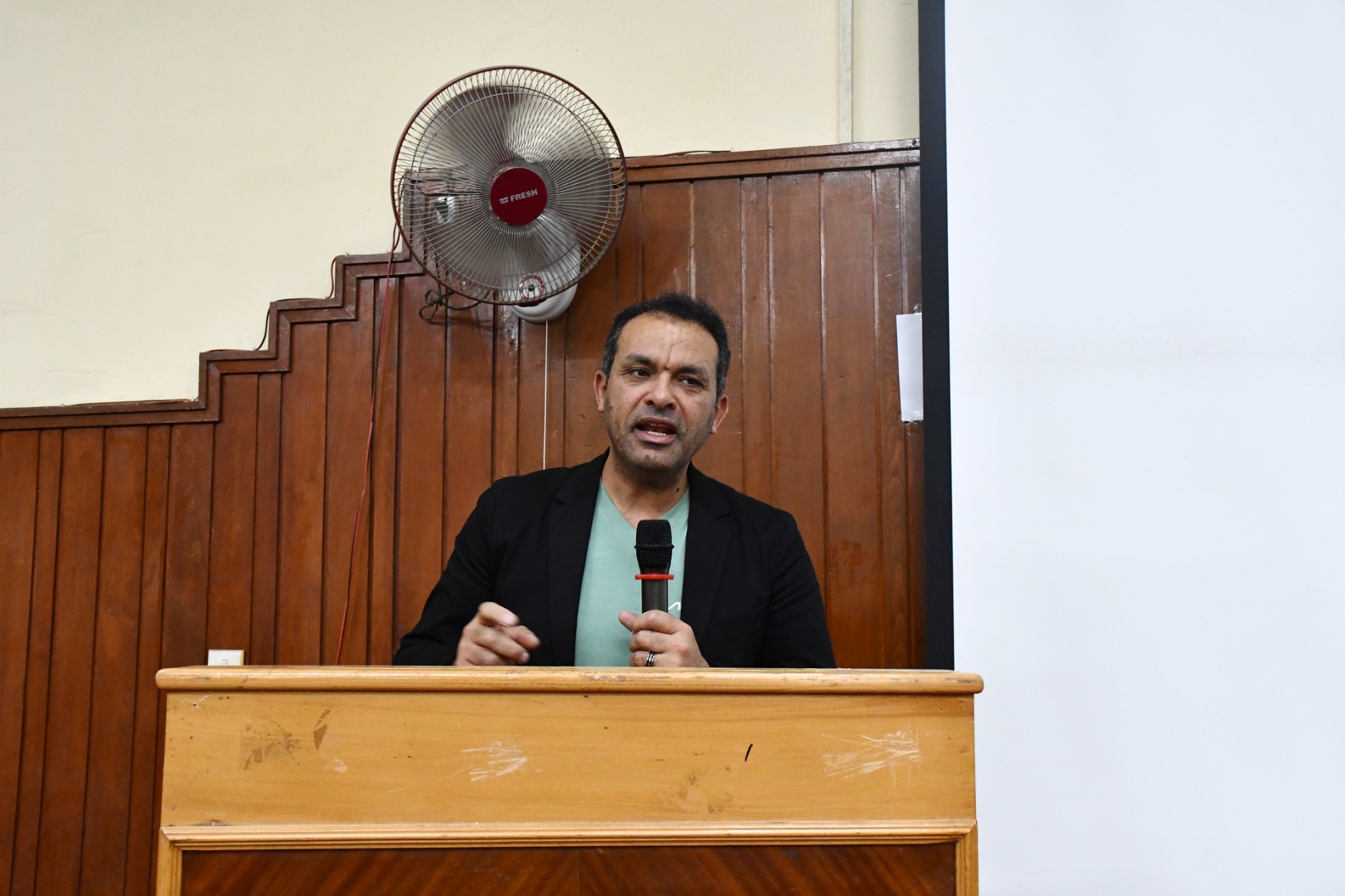
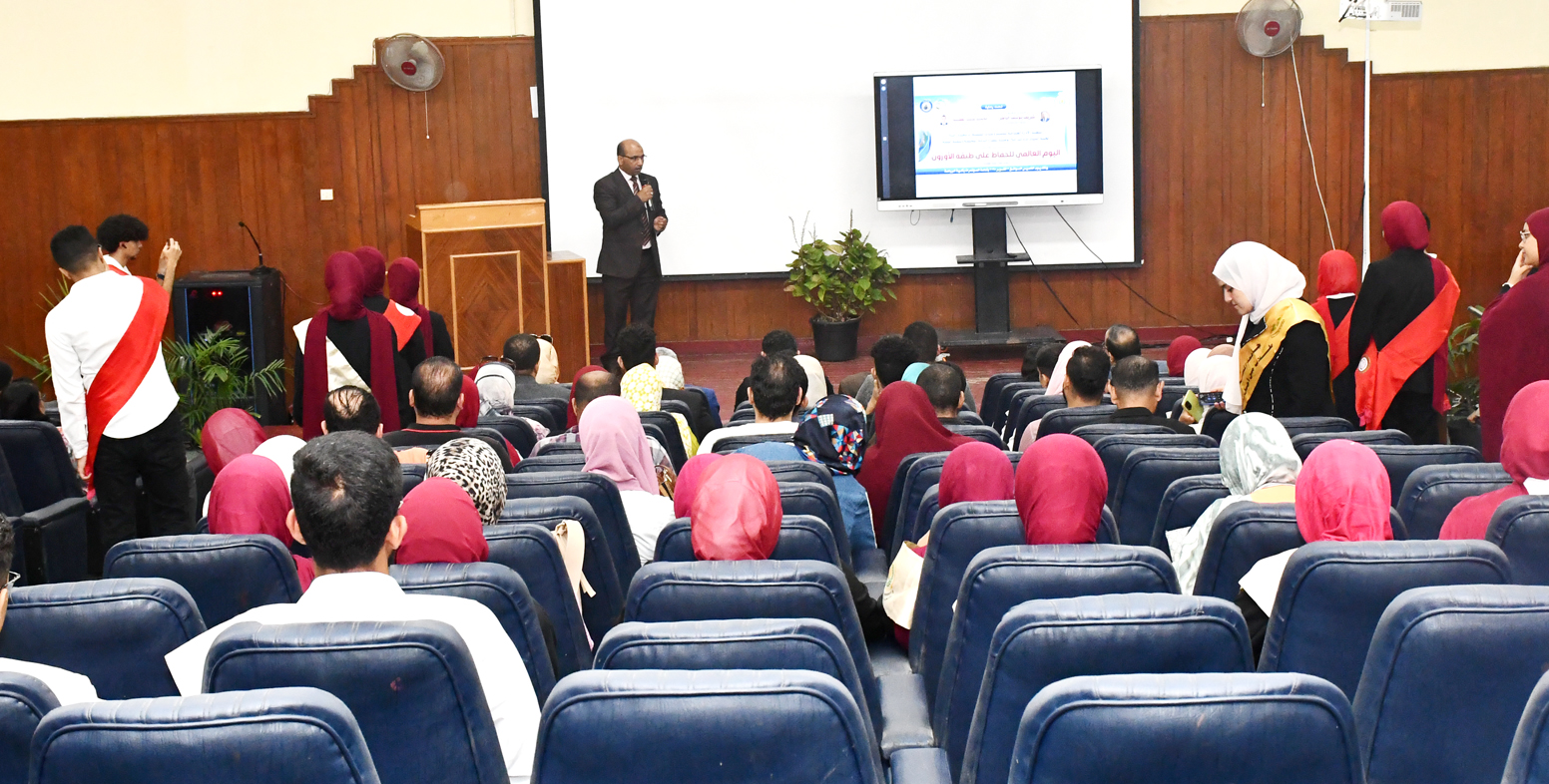
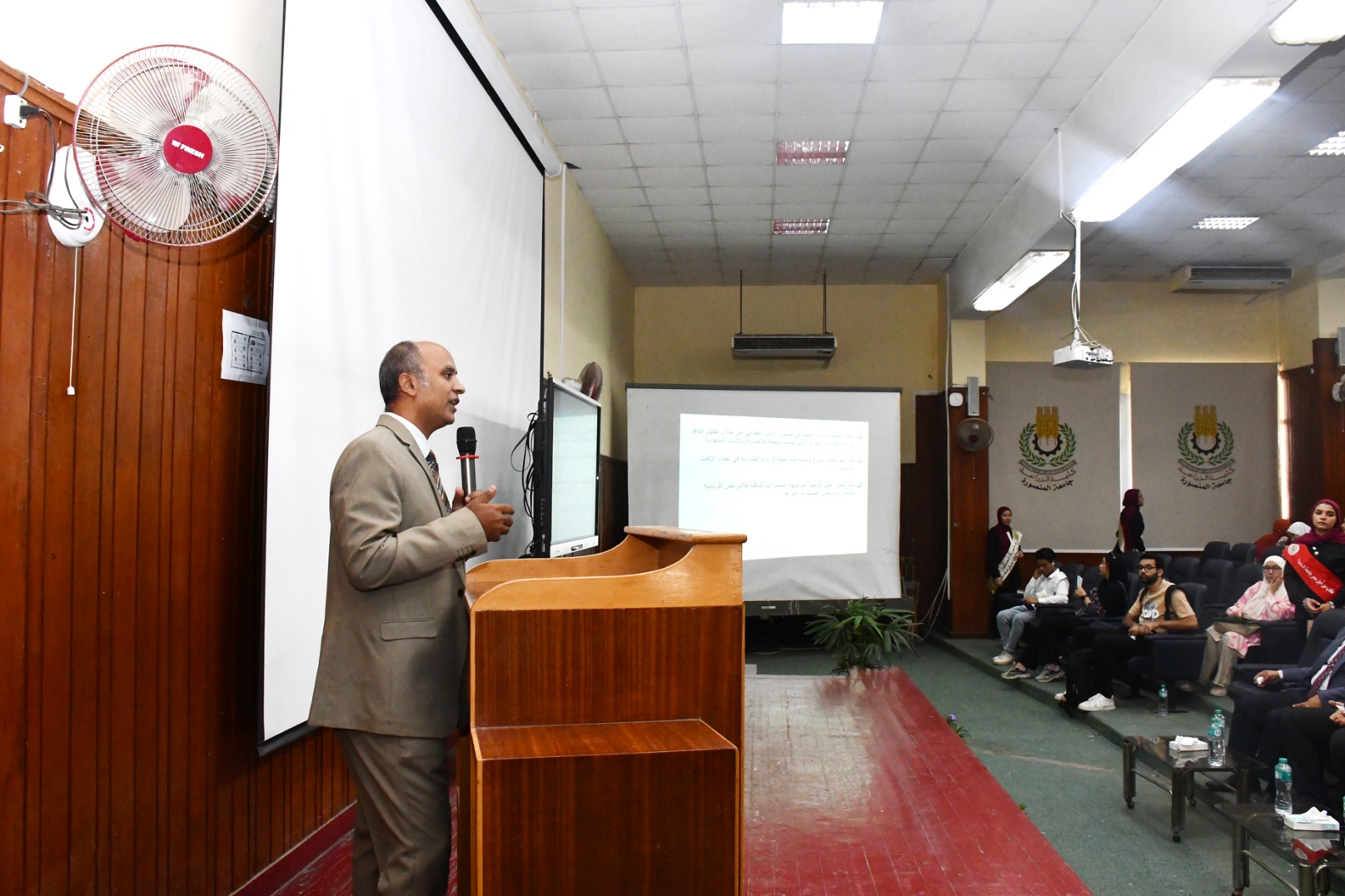
The scientific program of the workshop included two keynote lectures. Prof. Mohamed Sobhy Hamada, Head of the Pesticides Department and Director of the Pesticide Environmental Pollution Research Center at the Faculty of Agriculture, delivered a lecture entitled “The Impact of Environmental Pollution by Pesticides on the Ozone Layer.” He highlighted the risks of certain pesticides, especially those under restricted use, and their effects on the atmosphere and climate change, stressing the need to search for safe alternatives and adopt strict guidelines for their rational use.
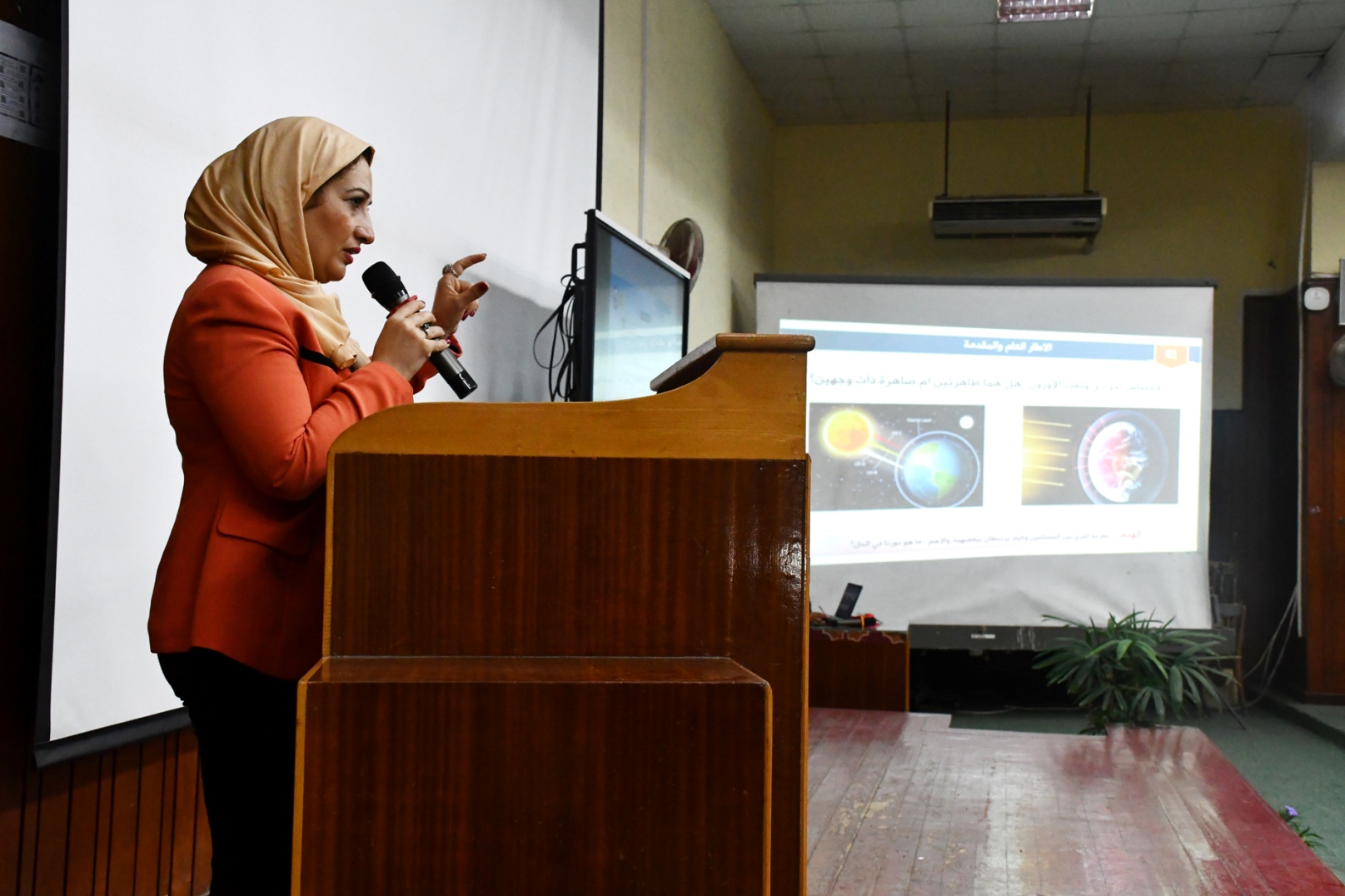
Prof. Zeinab Abu El-Naga, Professor at the Faculty of Science and Director of the Environmental Impact Assessment Center, delivered a lecture entitled “Global Warming and the Ozone Hole: Two Phenomena or Two Faces of the Same Phenomenon?” She addressed the relationship between the two issues and their impacts on ecosystems, pointing to the importance of the Montreal Protocol and the role of environmental sustainability in confronting climate challenges.
The workshop concluded with final recommendations covering three main areas:
In the field of agricultural research and application: calling for the development of safe alternatives to ozone-depleting pesticides such as methyl bromide, reducing agricultural emissions through proper management of nitrogen fertilizers, and revising laboratory protocols to eliminate harmful chemicals.
In the field of education and awareness: integrating topics related to the Montreal Protocol and climate change into curricula, launching training programs to enable farmers to adopt ozone-friendly practices, and supporting student initiatives to reduce the carbon footprint.
In the field of institutional and community action: adopting university policies to use environmentally friendly cooling and air-conditioning systems, cooperating with community institutions for the safe disposal of harmful gases, and issuing simplified guides for citizens to raise awareness of the individual’s role in protecting the ozone layer.
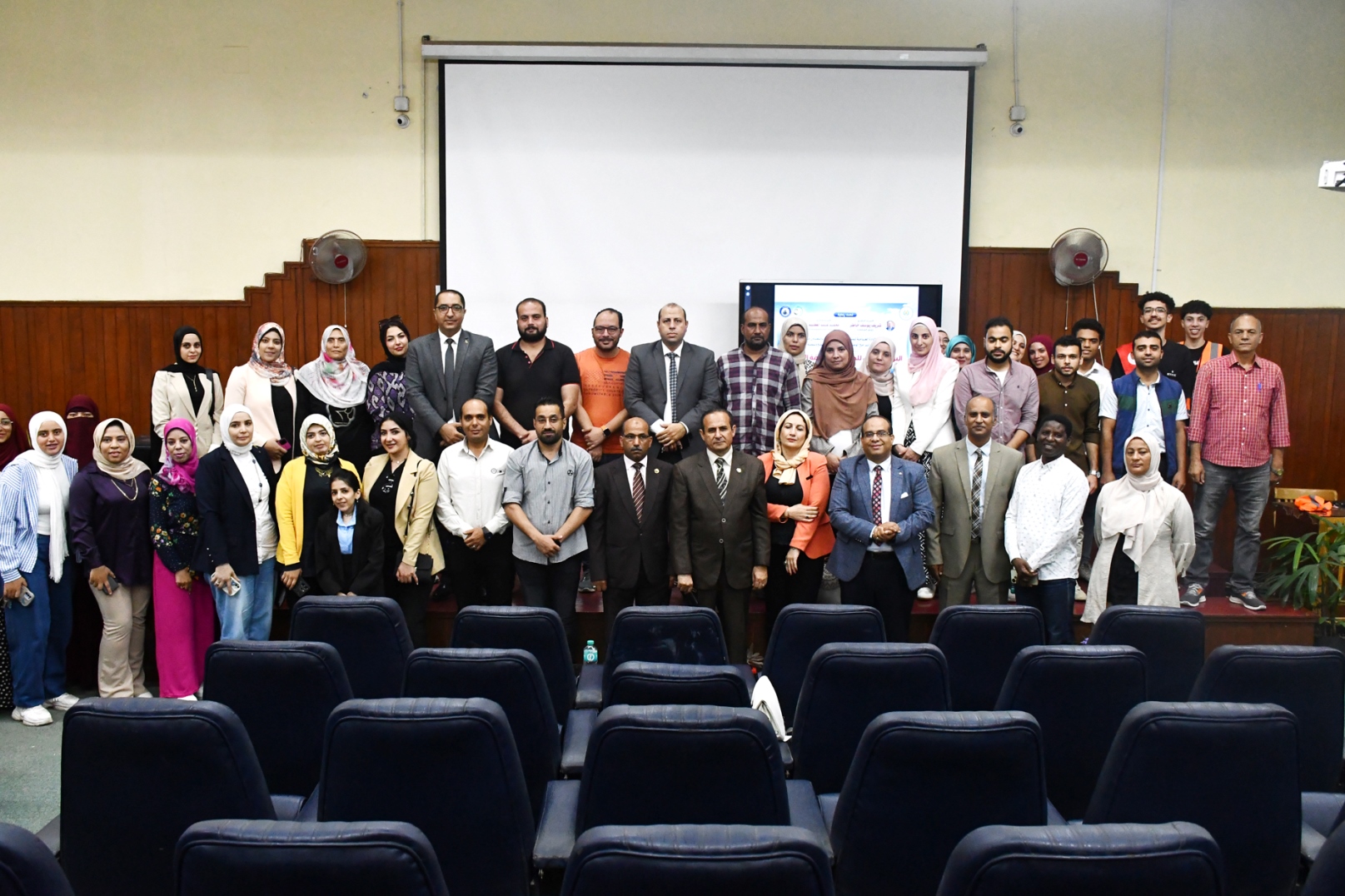
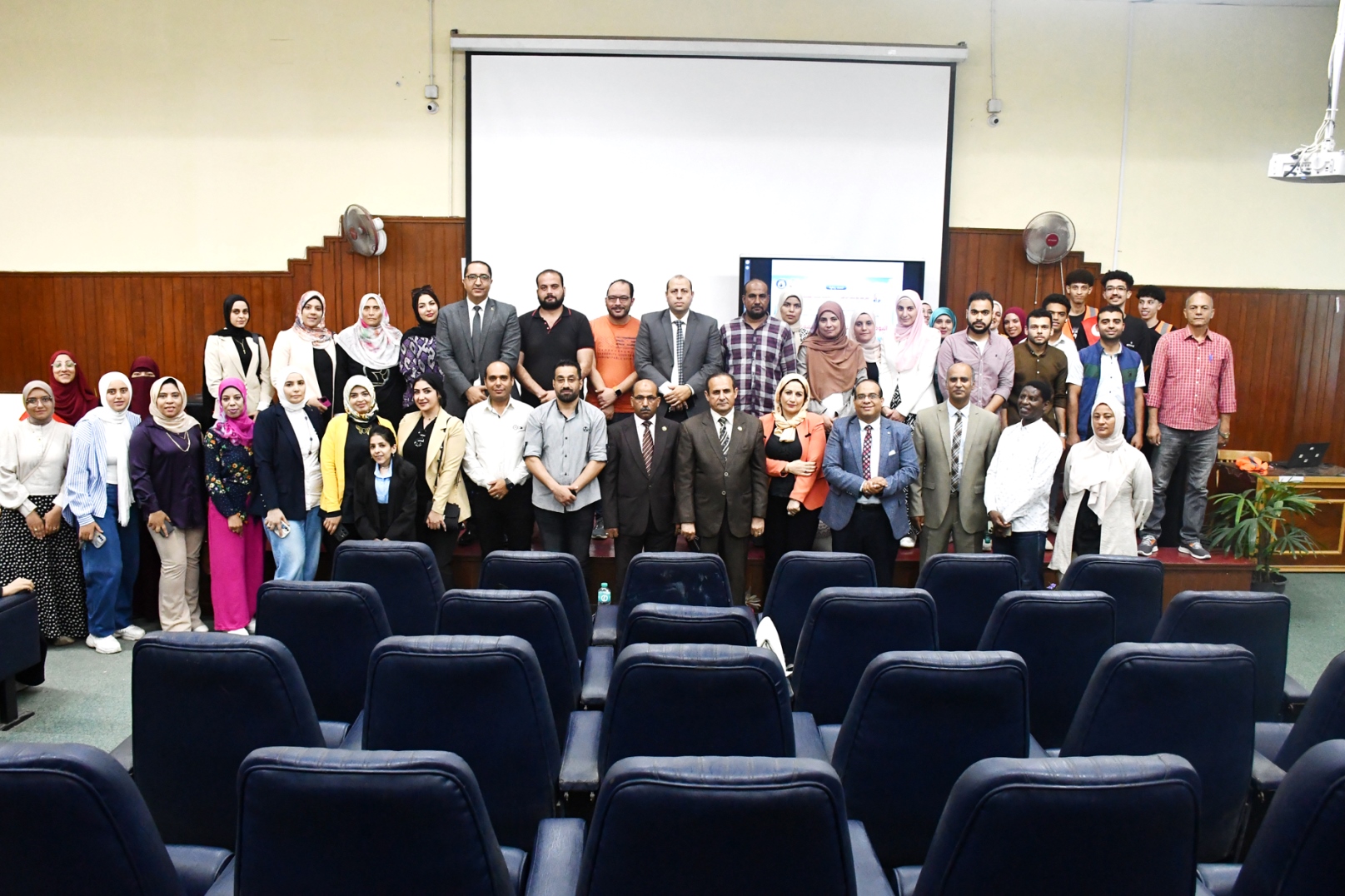
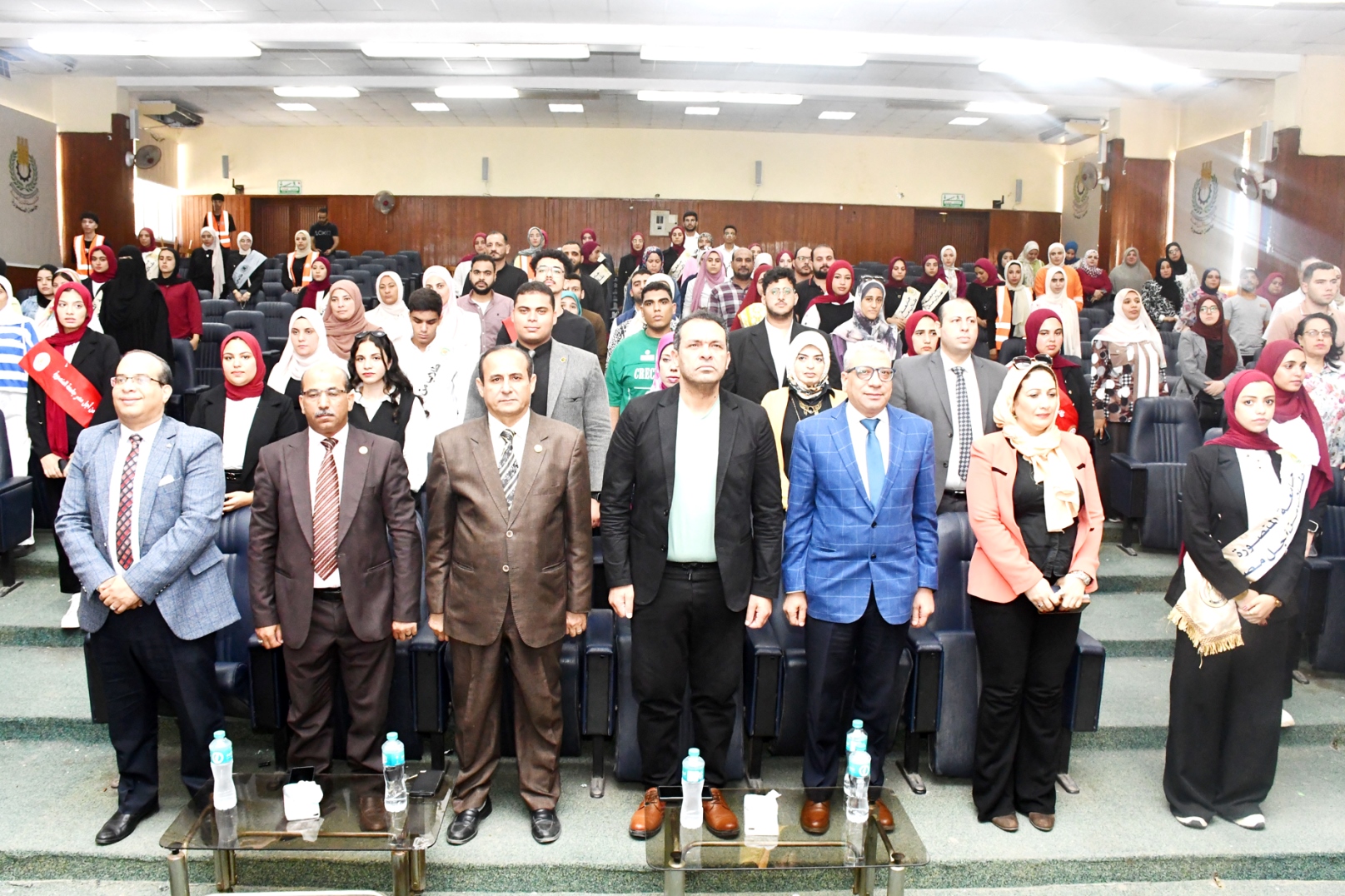
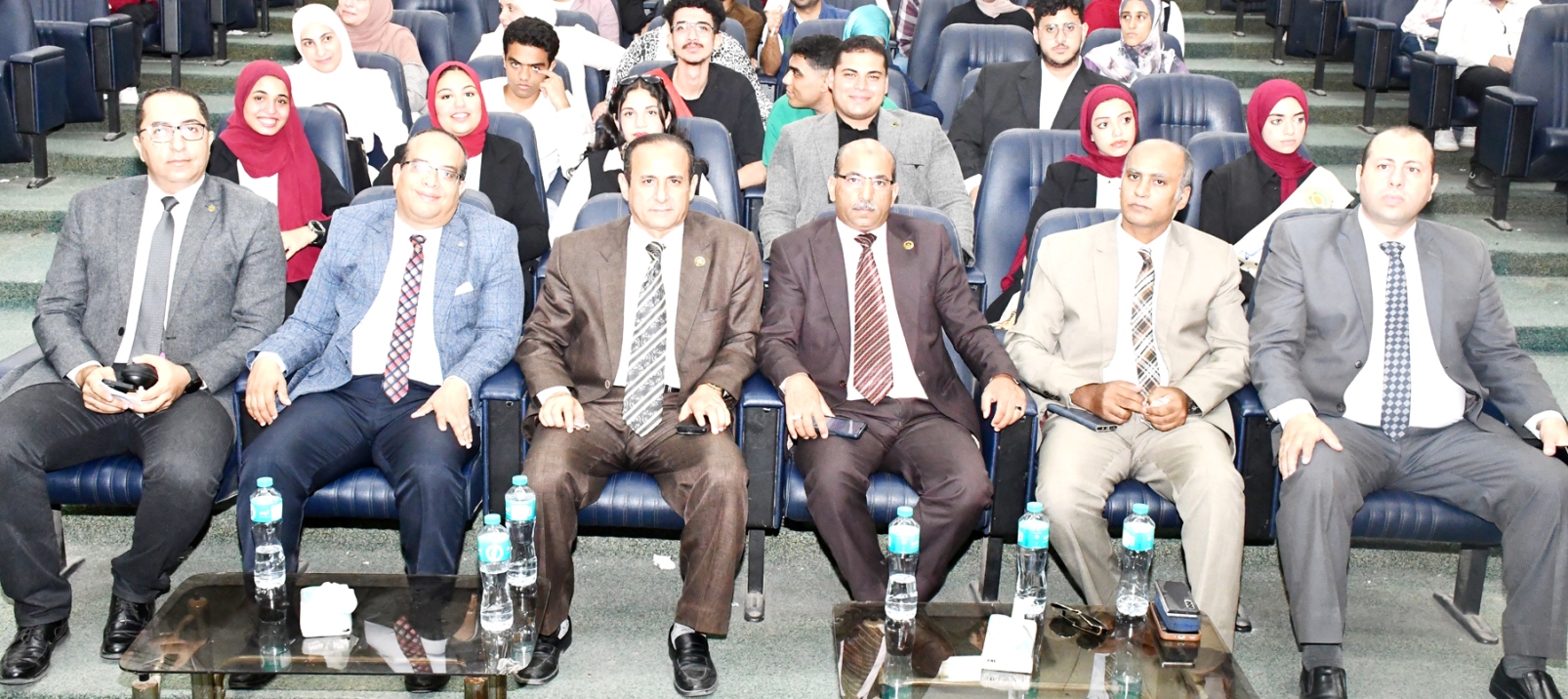
The event concluded with a group photo, affirming that these recommendations represent a practical roadmap to enhance the role of the university and society in environmental protection and ensuring a more sustainable future for generations to come.
View the embedded image gallery online at:
http://agrfac.mans.edu.eg/index.php/en/news-events/conferences/9481-ozone-day-workshop#sigProId062f49425a
http://agrfac.mans.edu.eg/index.php/en/news-events/conferences/9481-ozone-day-workshop#sigProId062f49425a